Every actor knows their headshot matters. But knowing it matters and understanding exactly what casting directors are looking for when they scroll through hundreds of submissions are two very different things. Find out what Casting Directors Actually Look for in Your Acting Headshot.
Casting directors see hundreds — sometimes thousands — of headshots during the casting process, and a great headshot needs to not only capture a person’s physical appearance but also convey their personality, uniqueness, and suitability for specific roles. In that environment, the difference between a headshot that gets you called in and one that gets scrolled past often comes down to details most actors never think about.
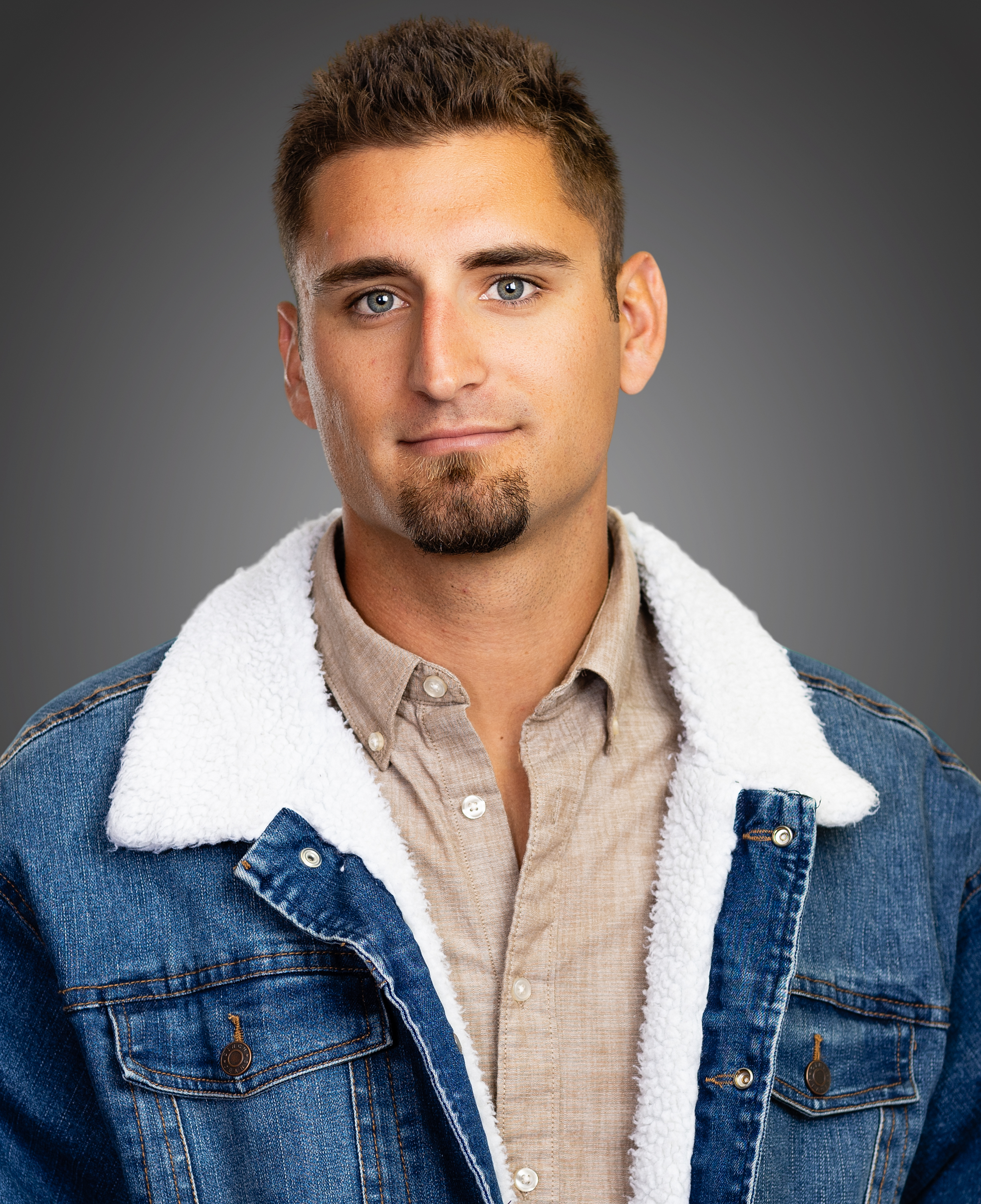
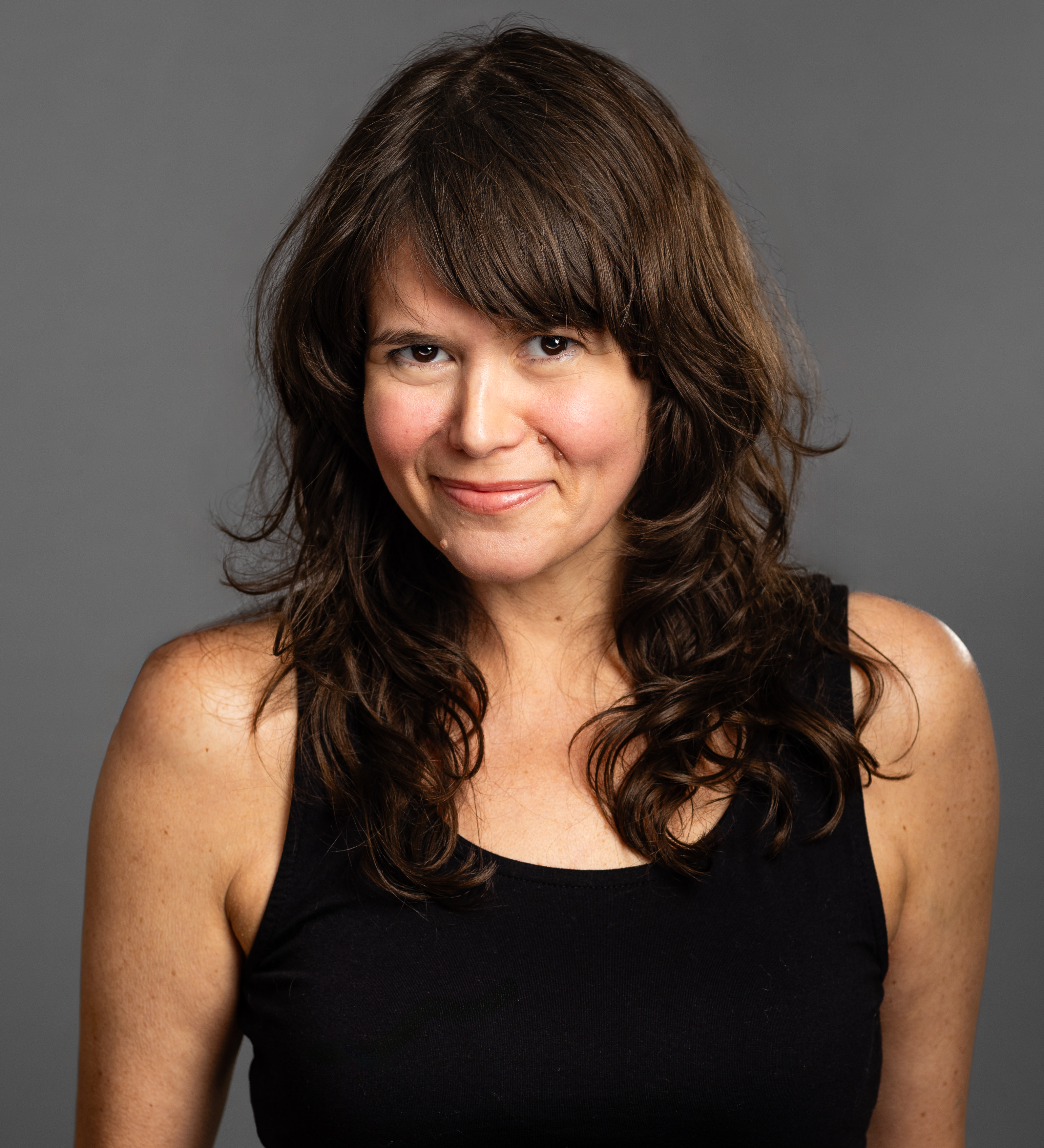
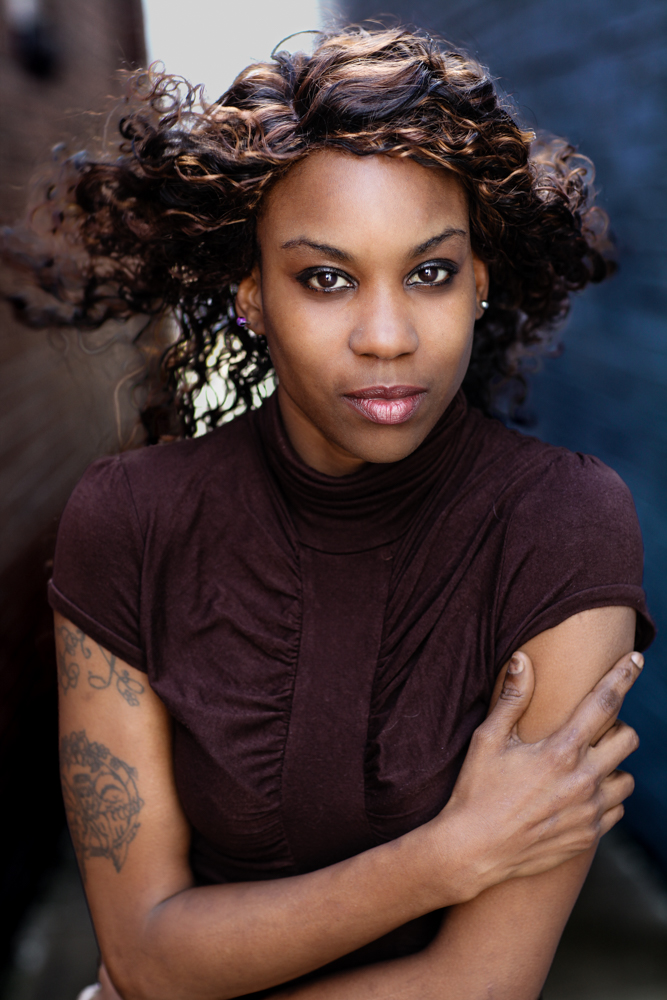
What Casting Directors Actually Look for in Your Acting Headshot
Here is exactly what casting directors are looking for — and what it means for your next session.
1. It Has to Actually Look Like You
This is the single most repeated piece of feedback from casting directors — and the most violated rule in actor headshots.
Casting directors need to be able to recognize you from your headshot when you walk in the room. They do not want big makeup and hair — they want a true representation of what you look like.
Actors have come in for auditions where casting looked at the photo and it was not the same person — ten years old or touched up in such a way that it really did not represent them. When that happens, the casting director’s trust is immediately broken. You have wasted their time and yours.
A headshot should be a realistic, professional depiction of you — complete with your skin texture, natural expressions, and current hairstyle or physical traits. The goal is not to look like the most attractive version of yourself. It is to look like the most castable version of yourself — right now, today, at your current age and appearance.
Heavy retouching is one of the fastest ways to undermine your own submission. It is not about looking pretty — it is about representing your type, wrinkles included. It should look like you on your best day, showing your age, and who you are now.
2. Your Eyes Have to Be Alive
Eyes are often considered the window to the soul — and this is especially true in acting. A compelling headshot should highlight the actor’s ability to express emotion and depth through their gaze. Casting directors are drawn to images where the eyes project energy and communicate a story, as this directly translates to on-screen ability.
Just like with on-camera acting, it is all about the eyes and what is happening behind them. Your eyes should be perfectly in focus, alive, and energized — not dead and glazed over. There should be strong inner thoughts, implying a backstory and a life behind the eyes.
This is why expression coaching matters so much at your session. A technically perfect photograph with dead eyes will not book you work. An image with real thought and genuine emotion behind the eyes — even if the expression is subtle — will stop a casting director mid-scroll.
At Actor Headshot Studio we coach every client through specific emotional states and inner monologue techniques — not generic “look natural” instructions — precisely because this is where most headshots either succeed or fail.
3. Authenticity Over Everything
The industry has shifted toward more natural, character-driven, and emotionally resonant photography. Gone are the days when overly retouched, highly stylized headshots dominated submission packages. Authenticity is the gold standard. Casting directors want to see you — not a polished version of what you think they want.
A great headshot today does not try to sell you. It captures who you really are and what you are capable of playing.
This shift has significant practical implications for your session. It means the most effective headshots are not the most glamorous ones — they are the most honest ones. The image where your specific personality, your specific energy, and your specific castability come through clearly and immediately.
The most important thing is that the headshot looks like you and captures your essence — it is different for everyone, but it is the thing that sets you apart from the crowd. Your personality should come out in the shot — but not be forced or over the top.
4. Multiple Looks That Show Your Range
One headshot does not cut it anymore. Most working actors are now presenting two to four distinct looks to show their casting range. That might include a clean professional look for business roles or network drama, a casual friendly version for sitcoms or commercials, a gritty or edgy vibe for indie film or crime shows, and a warm trustworthy feel for medical dramas, lawyers, or parents.
You should use a simple variety of headshots — neutral but not all the same. It is not about pulling faces but about showing a range.
The key distinction here is that variety does not mean costume changes. Each look should still feel like you — it is not about costume changes but rather subtle shifts in wardrobe, expression, lighting, and tone. Casting directors want to know you understand the types you play best and can see you in specific roles just from your photos.
At Actor Headshot Studio every session is built around your specific casting types and the roles you are actively pursuing. We discuss your goals before we ever pick up the camera — so every look we create has a specific submission purpose.
5. Wardrobe That Tells a Story Without Distracting
Wardrobe is one of the most overlooked parts of a great acting headshot. The rule is clear: dress the part but do not dress in costume. Casting directors want to imagine you in a role. The best way to help them do that is to wear clothing that feels like what the character would actually wear — without going overboard. No logos, wild patterns. The wardrobe should support the story you are telling in the photo, not distract from it.
Being able to feel where the actor might work from the clothing they are wearing makes casting more likely to stop and click on that thumbnail.
Think about who you are most castable as right now. Your wardrobe choices should make a casting director immediately think: yes, I can see this person in that role. Not: interesting outfit.
Before every session at Actor Headshot Studio we walk you through exactly what to bring and why — what reads well for your specific casting type, what to avoid, and how to translate your type into a visual first impression before you ever arrive.
6. Background That Keeps Focus on You
An uncluttered background is ideal. White backgrounds simply come across as passport style. Overly busy backgrounds can detract. There is a balance — and it is worth having multiple background options so you can test what works.
There is no better way to draw from the performer than to have a distracting background in focus. A palm tree, a brick wall, a cluttered room behind you — all of these pull a casting director’s eye away from the one thing that matters: your face.
The background of your headshot should be a supporting element — not a statement. Clean, simple, and deliberately chosen to complement your coloring and casting type without competing with you for attention.
7. Current Images — Not Last Year’s Look
Casting directors expect you to keep updating your images. Having something of the right age means they can bring you in for roles that might actually be better for you. Using photos where you look older or younger than you actually can stop you being called in for roles that are more suitable.
If you have gained weight, aged, or grown out your hair since your last headshots it is likely time for new ones. You do not want to submit images for roles, get chosen by casting directors, and then show up looking like someone else.
Most working actors update their headshots every one to two years — or sooner when their appearance, casting type, or career focus changes significantly. If your current headshots no longer reflect where you are and where you are going — they are actively working against you.
What This Means for Your Next Session
Every one of these casting director insights points to the same conclusion — a great acting headshot is not about looking your most attractive. It is about looking most like yourself, most authentically, in the context of the roles you are built to play.
That requires a photographer who understands the specific demands of the acting industry — not just someone who can operate a camera and lighting rig. It requires expression coaching that pulls genuine emotion rather than manufactured poses. It requires wardrobe guidance built around your casting type. And it requires the experience to know what casting directors in the current market are actually responding to.
At Actor Headshot Studio in St. Louis we have been photographing actors, performers, and talent for over 15 years. We work with performers at every level — from students putting together their first professional package to working actors refreshing their look for the current market.
Every session includes pre-session wardrobe guidance, full expression and direction coaching, multiple casting looks, and same-day image selection — so you leave knowing exactly what you are getting.
View acting headshot pricing →
Actor Headshot Studio is part of the Shari Photography family — St. Louis’s premier headshot studio for over 15 years. Located at 5205 Gravois Ave, St. Louis MO. Call or text 314-221-2166.