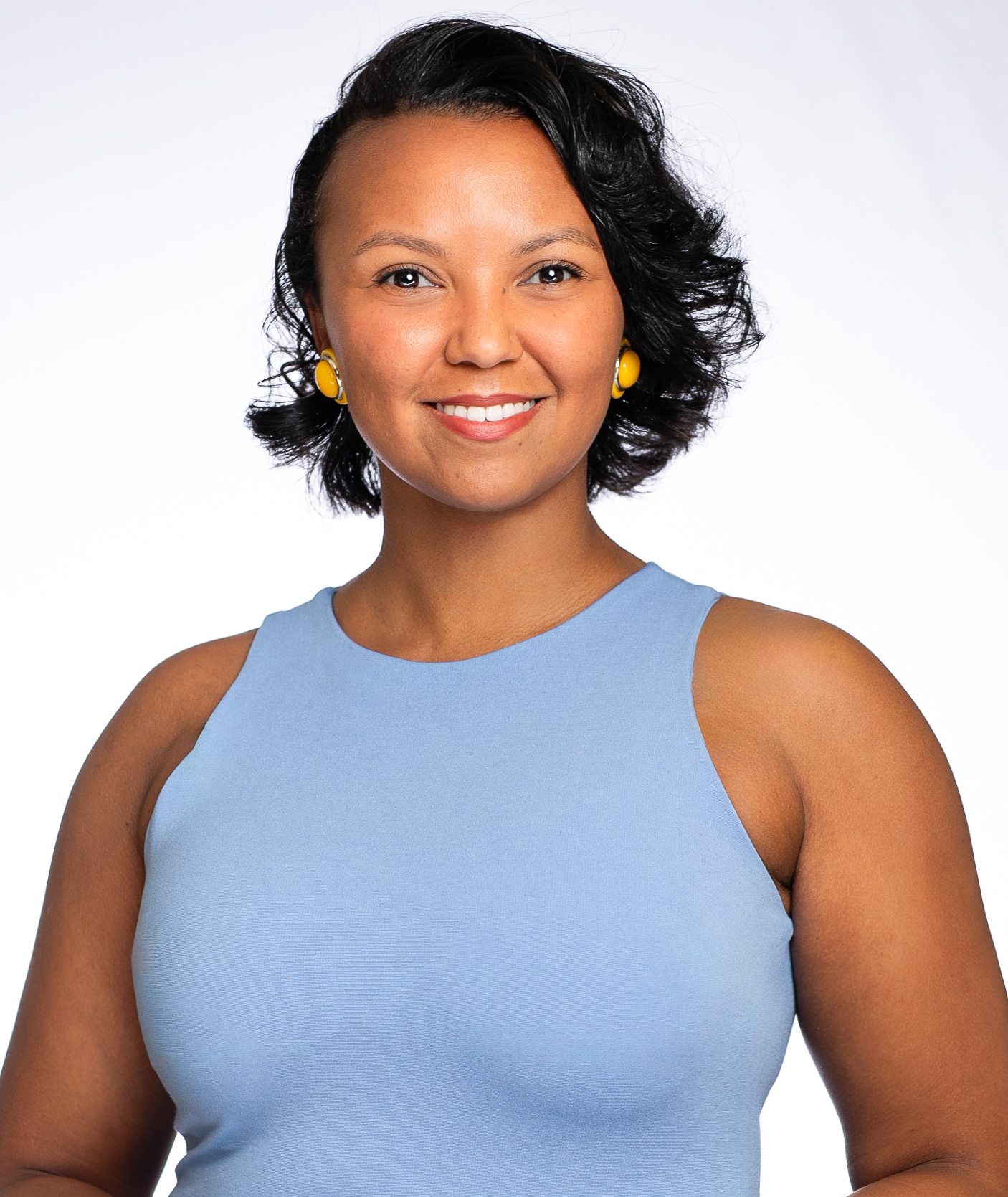
Every actor knows the financial pressure of maintaining a professional portfolio. Headshots need updating regularly. Sessions cost money. Time is tight between rehearsals, day jobs, and auditions. So when AI headshot apps started promising professional-looking results for under $50 in twenty minutes — a lot of actors tried them.
And a lot of actors are now quietly paying the price.
The problem with AI headshots is not just that they look slightly wrong — though they do, and casting directors notice. The problem is that for actors specifically, an AI headshot carries a unique set of risks that do not apply to any other profession. Risks that can end an audition before it starts. Risks that can get you blacklisted before you say a single word.
Here is exactly what is happening — and why your headshot is one area where an actor can never afford to cut corners.
The Number One Complaint From Casting Directors Has Always Been This
Before AI headshots existed, before retouching software got sophisticated, before any of this — the single most consistent complaint from casting directors about actor submissions was one thing:
When an actor walks into the room and does not look like their headshot. Jefflottmann
This has been true for decades. It was true when actors just chose bad photographers. It was true when over-retouching became common. And it is exponentially more true now that AI tools are generating images of people who look like an idealized, symmetrical, smoothed version of the actual actor — rather than the actual actor.
Any discrepancies between your headshot and your real-life appearance could lead to potential rejection or lost opportunities. Some actors might face rejection or blacklisting if casting directors feel misled by images that do not accurately reflect how they look in person. U.S. Census Bureau
The word blacklisting is not used lightly in that context. A casting director who calls an actor in based on a headshot and finds a completely different person standing in the room does not just pass on that role. They remember. They tell colleagues. In the tight professional community of St. Louis theatre and film — The Muny, The Rep, Stray Dog, regional productions — that kind of reputation damage travels fast and stays long.
What AI Actually Does to an Actor’s Face
Understanding why AI headshots fail for actors requires understanding what AI tools actually do to your image — because it is more significant than most actors realize.
AI headshot generators are trained on millions of images of what a “professional headshot” is supposed to look like. They apply those patterns to your photos. The result is an image that reflects the average of professional headshots — not your specific face, your specific casting type, or your specific emotional range.
AI is not good enough yet to inject the correct emotion in an actor’s eyes. That is, your emotion. It can pull emotions from the internet but they are not yours. One thing that makes an actor stand out is their own individual personality, the way they interpret a situation or a director’s instructions. AI cannot do that yet in a realistic and believable way. Jefflottmann
AI-generated headshots often rely on algorithms that might not replicate your exact features or convey subtleties like nuanced expressions. The end results can appear overly processed or lack the lived-in authenticity the industry demands. U.S. Census Bureau
For a corporate professional, a slightly over-smoothed, too-symmetrical headshot is unfortunate. For an actor — it is potentially career-ending. Your casting type, your emotional range, and the specific quality of your eyes in a photograph are not just aesthetic elements. They are the entire reason a casting director calls you in instead of the two hundred other actors who submitted for the same role.
Casting Directors Are Now Using AI to Screen Submissions — And It Cuts Both Ways
Here is something most actors have not fully considered yet.
AI is scanning headshots and analyzing self tapes. Some production companies are using AI to sift through submissions, predicting which actors might match a role based on facial expressions, tone, and even micro-emotions. AreaVibes
Think about what that means for an AI-generated headshot. The casting AI is scanning your submission looking for genuine micro-expressions — the subtle facial signals that indicate emotional range, authenticity, and castability. An AI-generated headshot that has smoothed out your skin texture, adjusted your facial symmetry, and replaced your genuine expression with an algorithmically averaged approximation will not pass that scan the way a real photograph does.
Make sure your self tapes are clean, expressive, and on-brand. If AI is involved in the screening process, clarity and consistency may help your tape land in the shortlist pile. AreaVibes
The same logic applies to your headshot — which is scanned before your self-tape is ever viewed. An AI-generated image feeding into an AI screening system creates a mismatch that can remove you from consideration before a human ever sees your submission.
The Authenticity Standard Is Getting Stricter — Not Looser
Some actors assumed that as AI became more common the industry would gradually accept AI-generated headshots as standard. The opposite is happening.
2026 casting standards demand authenticity. Over-retouching gets you rejected. Skin smoothing and airbrushing removes texture and makes you look plastic — casting directors can tell. Altering features — slimming the face, enlarging eyes, reshaping the nose — means you must look like your photo in person. The rule is simple: if someone meeting you says “you do not look like your headshot” — it is over-retouched. Wikipedia
These are the current industry standards — and they are being applied more strictly than ever precisely because AI tools have flooded the market with over-processed, inauthentic images. The reaction from the casting community has been to raise the authenticity bar — not lower it.
Casting directors are accustomed to evaluating traditional headshots and may be skeptical of AI-generated images. There is a trust factor in knowing the image represents the actor as they truly are. Census Reporter
Authenticity is crucial in an industry that values real, relatable performances. AI-generated or heavily edited images may lack the authenticity that casting directors are looking for. Census Reporter
This is not a temporary reaction that will normalize over time. The acting industry is built on human authenticity in a way that no other profession is. Casting directors are not just evaluating what you look like — they are evaluating what you are like. An AI-generated image removes that signal entirely and replaces it with an algorithm’s approximation of a professional headshot. Those are not the same thing and casting directors know it.
The Legal Dimension Actors Are Ignoring
There is a dimension to AI headshots that actors specifically need to understand — and very few are paying attention to it.
Advanced AI tools used to create headshots often use vast datasets which may include images of real individuals without their consent. This raises concerns over intellectual property rights and privacy issues. You should ensure the AI platform you choose complies with copyright laws and ethical data usage practices to avoid inadvertently benefiting from improperly sourced materials. U.S. Census Bureau
AI-generated headshots could be seen as deceptive if they overly idealize physical characteristics or stray significantly from your actual appearance. U.S. Census Bureau
For actors submitting to union productions, SAG-AFTRA affiliated projects, or any professional casting platform — misrepresentation through altered imagery is not a minor concern. It is a potential contractual and professional liability. The moment a production discovers the actor they hired looks significantly different from their submission photo, the legal and professional consequences extend well beyond a single lost role.
What Your Headshot Actually Needs to Do for Your Acting Career
Understanding why AI fails requires understanding what a great acting headshot actually accomplishes — because it is more specific than most actors think.
A headshot is not just a photograph — it is a representation of an actor’s brand. It needs to convey who you are, what roles you can portray, and what makes you unique. A skilled photographer does more than just take pictures — they connect with the actor, bringing out their personality and helping them present their best self. This human element is something AI cannot replicate. Census Reporter
Your authenticity will always outshine artificial imitation. AreaVibes
The images that book St. Louis actors — the images that get callbacks from The Rep, the images that get agents to pick up the phone, the images that land the commercial audition — are images where the actor’s specific personality, specific casting type, and specific emotional presence come through in a single frame. That is what a skilled headshot photographer coaches out of a real person in a real session. It cannot be algorithmically generated from a batch of selfies.
A Note From the Studio
At Actor Headshot Studio in St. Louis we have been photographing performers at every career level for over 15 years. We have watched the AI headshot wave hit the acting community — and we have watched actors come back into the studio to fix what it cost them.
The sessions are always the same. They come in having saved $200 on an AI tool. They leave having spent more than that on a professional session they should have booked the first time. And they leave with something no AI tool produced — images that look exactly like them, capture their specific casting type, and hold up in the room when the casting director looks from the photo to the face and back again and sees the same person.
Money and time can be tight and the temptation to use an app to get a headshot in a hurry for a deadline is real. But do not do it. You could literally be throwing your big opportunity away by using AI in headshot photography. Stay real. Stay true to yourself. Be an authentic actor. Jefflottmann
Your headshot is your first audition. Make it real.
View acting headshot pricing →
Questions? Call or text 314-221-2166.
Actor Headshot Studio is part of the Shari Photography family — St. Louis’s premier headshot studio for over 15 years. Located at 5205 Gravois Ave, St. Louis MO. Open 7 days a week.